

Humidity is an often - overlooked yet crucial factor in the pressure filling of aerosols. As a dedicated supplier in the field of pressure filling of aerosols, I've witnessed firsthand how humidity can significantly impact the entire filling process, product quality, and long - term stability.
1. Understanding the Basics of Aerosol Pressure Filling
Before delving into the impact of humidity, it's essential to understand the fundamentals of aerosol pressure filling. Aerosol products consist of a container, a valve, and a propellant. The pressure filling process involves introducing the product formulation and the propellant into the container under pressure. This creates a stable and functional aerosol product that can dispense the contents in a controlled manner.
The filling process is highly precise, and any deviation from the ideal conditions can lead to various issues. From a supplier's perspective, ensuring a smooth and efficient filling process is not only about meeting production targets but also about delivering high - quality products to our customers.
2. How Humidity Affects the Filling Process
2.1. Corrosion and Rusting
High humidity levels in the filling environment can accelerate the corrosion and rusting of filling equipment. Metal components of the filling machines are particularly vulnerable. When the relative humidity exceeds a certain threshold, water vapor in the air can condense on the surfaces of the equipment. This moisture provides an ideal environment for the oxidation of metals.
For example, the valves and connectors in the filling system are made of metals such as stainless steel or brass. If exposed to high humidity for an extended period, these parts can develop rust, which can lead to leaks in the filling process. A small leak can cause inaccurate filling volumes, which is a critical issue as aerosol products need to be filled with precise amounts of product and propellant to function correctly.
2.2. Product Contamination
Humidity can also introduce contaminants into the aerosol product during the filling process. Water vapor in the air can carry dust, microorganisms, and other impurities. When the filling environment is humid, these contaminants are more likely to be drawn into the filling system and eventually into the aerosol container.
Microorganisms, in particular, can pose a significant risk to the quality and safety of the aerosol product. For instance, in the case of pharmaceutical or cosmetic aerosols, the presence of bacteria or fungi can render the product unfit for use. As a supplier, we take strict measures to prevent product contamination, but high humidity can make it extremely challenging to maintain a clean filling environment.
2.3. Impact on Propellant Performance
The performance of the propellant in an aerosol product can be affected by humidity. Propellants are typically gases or liquefied gases that provide the pressure needed to dispense the product. When the filling environment is humid, water vapor can dissolve in the propellant or interact with it chemically.
This interaction can change the physical properties of the propellant, such as its vapor pressure and solubility. As a result, the aerosol may not dispense the product as expected. For example, the spray pattern may be irregular, or the product may not be ejected with the right force. This can lead to customer dissatisfaction and product returns, which are costly for both us as the supplier and our customers.
3. Effects of Humidity on Aerosol Product Quality
3.1. Product Stability
Humidity can have a long - term impact on the stability of aerosol products. Once the aerosol is filled and sealed, the presence of moisture can cause chemical reactions within the product formulation. For example, in some aerosol paints, moisture can cause the pigments to agglomerate or the resin to degrade over time.
This can lead to changes in the color, texture, and adhesion of the paint. In the case of food aerosols, moisture can promote the growth of mold and bacteria, reducing the shelf - life of the product. As a supplier, we strive to ensure that our aerosol products have a long and stable shelf - life, but humidity can undermine these efforts.
3.2. Container Integrity
The integrity of the aerosol container can also be compromised by humidity. If the container is made of metal, high humidity can cause corrosion from the outside, weakening the container walls. This can lead to leaks or even explosions in extreme cases.
Plastic containers are not immune either. Moisture can cause plastic to swell or become brittle over time, which can also affect the container's ability to hold the product and propellant under pressure. Ensuring the container integrity is crucial for the safety and performance of the aerosol product.
4. Controlling Humidity in the Filling Process
4.1. Environmental Control Systems
To mitigate the impact of humidity on the pressure filling of aerosols, we use advanced environmental control systems in our filling facilities. These systems include dehumidifiers and air - conditioning units that can maintain the relative humidity at a stable and optimal level.
By controlling the humidity, we can reduce the risk of corrosion, product contamination, and other issues associated with high humidity. For example, in our state - of - the - art filling plants, we keep the relative humidity between 30% and 50%, which is considered an ideal range for aerosol filling.
4.2. Moisture - Barrier Packaging
Another approach we take is to use moisture - barrier packaging materials. These materials can prevent moisture from entering the aerosol container during storage and transportation. For example, we may use laminated films or coated containers that have low water vapor transmission rates.
This helps to maintain the quality and stability of the aerosol product over its shelf - life. As a supplier, we are constantly researching and investing in new packaging technologies to better protect our products from the adverse effects of humidity.
5. The Role of Advanced Filling Equipment
5.1. Precision Filling Machines
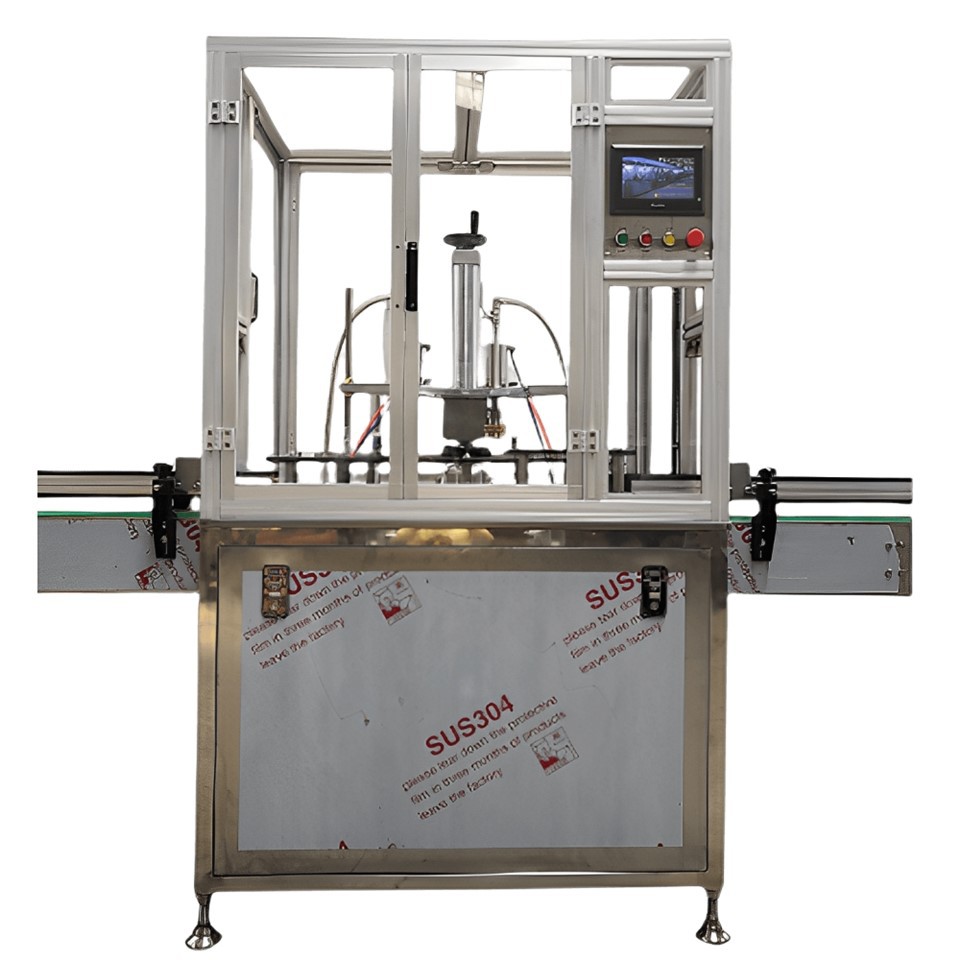
Investing in advanced filling equipment is also crucial in minimizing the impact of humidity. Our BOV Nasal Spray Filling Machine is designed with high - precision components that are less susceptible to the effects of humidity.
These machines are equipped with advanced sensors and control systems that can detect and adjust for any changes in the filling process caused by humidity. For example, if the humidity causes a slight change in the viscosity of the product, the machine can automatically adjust the filling speed to ensure accurate filling volumes.
5.2. Bag On Valve Filling Equipment
Bag on valve (BOV) technology is another innovation that can help in dealing with humidity. In a BOV system, the product is separated from the propellant by a flexible bag. This separation reduces the chances of the product being affected by the propellant's interaction with moisture.
The Bag On Valve Aerosol Filling process is more precise and can better withstand the challenges posed by humidity. It also offers better product protection and a more consistent spray performance.
6. Conclusion and Call to Action
In conclusion, humidity can have a profound impact on the pressure filling of aerosols, affecting both the filling process and the quality of the final product. As a supplier, we are committed to providing our customers with high - quality aerosol products by implementing strict humidity control measures and using advanced filling equipment.
If you are in the market for aerosol filling services or equipment, we invite you to contact us for a detailed discussion. We have the expertise and resources to meet your specific needs and ensure that your aerosol products are filled with the highest level of precision and quality. Whether you are a small - scale producer or a large - scale manufacturer, we can offer customized solutions to help you overcome the challenges posed by humidity in the aerosol filling process.

References
- ASTM International. (20XX). Standard test methods for evaluating the performance of aerosol products.
- European Pharmacopoeia. (20XX). Guidelines for the quality control of pharmaceutical aerosols.
- Smith, J. (20XX). The impact of environmental factors on aerosol manufacturing. Journal of Aerosol Science, XX(XX), XX - XX.