

Hey there! As a supplier of Pressure Filling Of Aerosols, I've seen firsthand the ins and outs of the aerosol industry. Aerosol products are super common in our daily lives, from hairsprays to deodorants and even some household cleaners. But one thing that we really need to keep an eye on is over - pressure filling of aerosols. In this blog, I'm gonna talk about the risks associated with it.
Understanding Aerosol Pressure Filling
Before we dive into the risks, let's quickly go over what aerosol pressure filling is. Aerosol products are basically containers filled with a product (like a liquid or powder) and a propellant. The propellant is what makes the product come out of the container when you press the nozzle. Pressure Filling Of Aerosols is the process of getting that propellant and the product into the container under pressure.
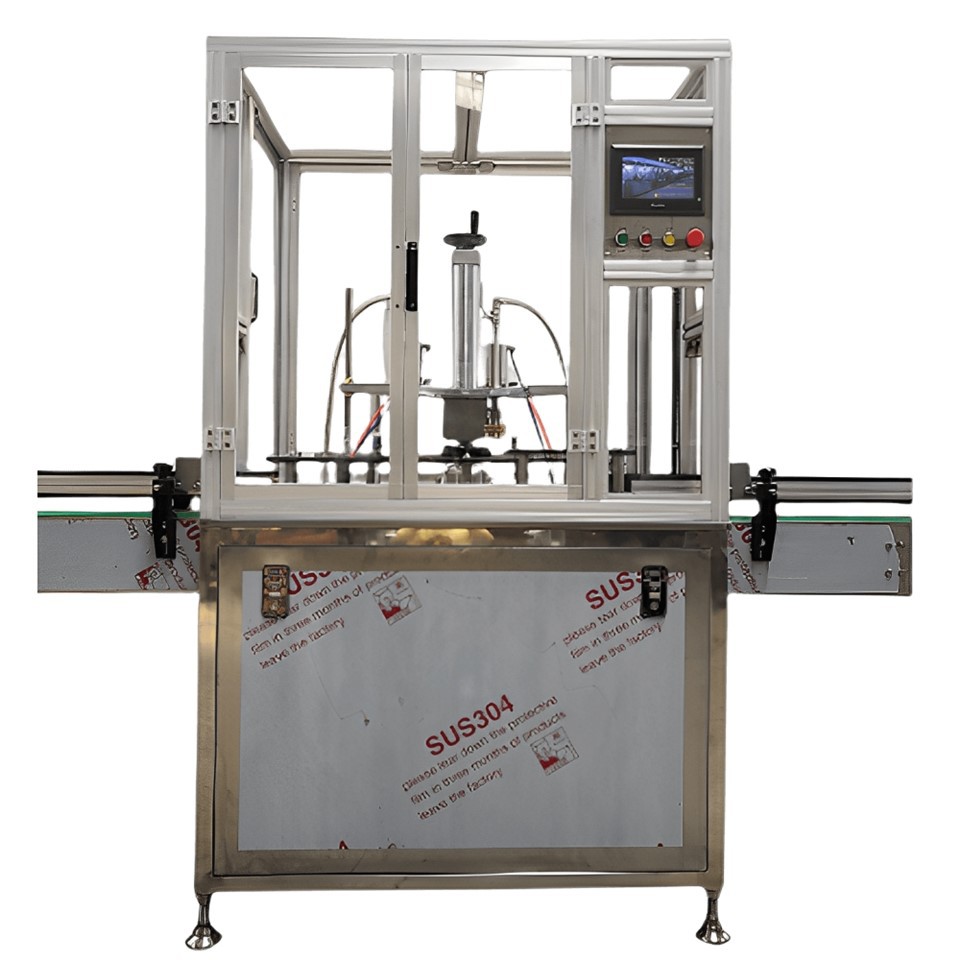
There are different types of filling methods, and Propellant Filling Machine plays a crucial role here. These machines are designed to ensure the right amount of propellant is added to the container so that the product functions as intended.
The Dangers of Over - Pressure Filling
Physical Hazards
One of the most obvious risks of over - pressure filling is the potential for the aerosol can to burst. Aerosol cans are designed to withstand a certain amount of pressure. When you fill them with too much propellant, the internal pressure can exceed the can's capacity. This can lead to an explosion. And let me tell you, an exploding aerosol can is no joke. It can send sharp pieces of metal flying in all directions, which can cause serious injuries to anyone nearby.
Think about a scenario where you're in a factory, and there are hundreds or even thousands of aerosol cans being filled. If one of those cans explodes due to over - pressure filling, it could trigger a chain reaction, causing other cans to explode as well. This could lead to a major accident, with workers getting hurt and the factory suffering significant damage.
Fire and Flammability Risks
Many propellants used in aerosol products are flammable. When you over - pressure fill an aerosol can, it increases the likelihood of a fire or explosion if there's a spark or an open flame nearby. For example, if the can bursts and the flammable propellant is released into the air, it can form a combustible mixture. A small spark from a faulty electrical device or even a static discharge could set off a fire.
This is not only dangerous for the people working in the area but can also lead to large - scale fires in warehouses or manufacturing facilities. Fires can cause property damage, disrupt business operations, and in the worst - case scenario, result in loss of life.
Product Quality and Performance Issues
Over - pressure filling can also affect the quality and performance of the aerosol product itself. When a can is over - filled, the product may not come out of the nozzle as it should. It could come out in a large, uncontrolled burst instead of a fine mist or spray. This can make the product difficult to use and less effective.
For example, if you're using a hairspray that's over - pressure filled, instead of getting a nice, even coat of hairspray on your hair, you might end up with a big glob of it in one spot. This not only ruins the user experience but can also lead to customer dissatisfaction and loss of business.
Regulatory and Legal Risks
There are strict regulations in place regarding the filling of aerosol products. These regulations are designed to ensure the safety of consumers and workers. If a company is found to be over - pressure filling aerosols, it can face serious legal consequences.
Regulatory authorities can issue fines, shut down production facilities, and even take legal action against the company. This can have a huge impact on the company's reputation and bottom line. No one wants to do business with a company that doesn't follow safety regulations.
Preventing Over - Pressure Filling
Quality Control Measures
To prevent over - pressure filling, it's essential to have strict quality control measures in place. This includes regular maintenance and calibration of Propellant Filling Machine. These machines need to be checked to ensure they're adding the correct amount of propellant to each can.
Workers should also be trained to recognize the signs of over - pressure filling. For example, if a can feels unusually heavy or if there's a hissing sound coming from it, it could be a sign that it's over - filled. In such cases, the can should be removed from the production line immediately.
Using the Right Technology
Investing in advanced technology can also help prevent over - pressure filling. For instance, some modern Pressure Filling Of Aerosols systems are equipped with sensors that can detect the pressure inside the can during the filling process. If the pressure starts to get too high, the system can automatically stop the filling process.
Bag On Valve Aerosol Filling is another technology that can help with this. It separates the product from the propellant, which can reduce the risk of over - pressure filling and improve the overall safety of the product.
Conclusion
In conclusion, over - pressure filling of aerosols is a serious issue that comes with a variety of risks, including physical hazards, fire and flammability risks, product quality issues, and regulatory problems. As a supplier of Pressure Filling Of Aerosols, I understand the importance of ensuring that the filling process is done safely and correctly.
We offer high - quality Propellant Filling Machine and Bag On Valve Aerosol Filling solutions that can help you prevent over - pressure filling and ensure the safety and quality of your aerosol products. If you're in the aerosol industry and are looking for reliable filling solutions, don't hesitate to reach out. We're here to help you with all your aerosol filling needs and make sure you're producing safe and high - quality products.

References
- "Aerosol Safety Handbook", published by the Aerosol Manufacturers Association
- "Regulations on Aerosol Product Filling", issued by the relevant regulatory authority