

What are the electrical components in a Propellant Filling Machine?
As a supplier of propellant filling machines, I am often asked about the electrical components that make these machines function efficiently. Propellant filling machines are crucial in various industries, especially those dealing with aerosol products, where precise and safe filling of propellants is essential. In this blog, I will delve into the key electrical components found in a propellant filling machine and explain their roles.
Programmable Logic Controller (PLC)
The Programmable Logic Controller, or PLC, is the brain of the propellant filling machine. It is a digital computer used for automation of industrial processes, such as controlling the filling sequence, monitoring machine status, and ensuring safety. The PLC can be programmed to execute a series of commands based on input signals from sensors and switches. For example, it can control the opening and closing of valves to regulate the flow of propellant into the containers. It also manages the speed of the conveyor belts, ensuring that the containers are filled at the correct rate and position. The flexibility of the PLC allows for easy customization of the filling process to meet different production requirements.
Sensors
Sensors play a vital role in the operation of a propellant filling machine. They are used to detect various parameters such as the presence of containers, the level of propellant in the tanks, and the pressure within the system.
- Proximity Sensors: These sensors are used to detect the presence or absence of containers on the conveyor belt. When a container reaches a specific position, the proximity sensor sends a signal to the PLC, which then initiates the filling process. This ensures that the propellant is only filled into the containers and not wasted.
- Level Sensors: Level sensors are installed in the propellant tanks to monitor the amount of propellant remaining. They can send signals to the PLC when the propellant level is low, triggering an alarm or an automatic refilling process. This helps to prevent the machine from running out of propellant during operation.
- Pressure Sensors: Pressure sensors are used to measure the pressure within the filling system. They ensure that the pressure is within the safe and optimal range for filling. If the pressure exceeds the set limit, the pressure sensor sends a signal to the PLC, which can then take appropriate action, such as closing a valve or reducing the flow rate.
Valves
Valves are essential components for controlling the flow of propellant in the filling machine. They are operated by electrical signals from the PLC.
- Solenoid Valves: Solenoid valves are commonly used in propellant filling machines. They are electromechanical valves that can be opened or closed by an electrical current. When the PLC sends a signal, the solenoid valve either allows the propellant to flow or stops the flow. These valves are fast-acting and can provide precise control over the filling process.
- Motorized Valves: Motorized valves are used for larger flow rates and more precise control. They are driven by an electric motor, which can be adjusted to open or close the valve at a specific rate. Motorized valves are often used in high-capacity propellant filling machines.
Motors
Motors are used to power various parts of the propellant filling machine.
- Conveyor Belt Motors: Conveyor belt motors are responsible for moving the containers through the filling process. They ensure a continuous and smooth flow of containers, allowing for efficient production. The speed of the conveyor belt can be adjusted according to the filling requirements.
- Pump Motors: Pump motors are used to transfer the propellant from the storage tanks to the filling nozzles. They create the pressure needed to force the propellant into the containers. The power of the pump motor depends on the type and viscosity of the propellant and the filling speed.
Human - Machine Interface (HMI)
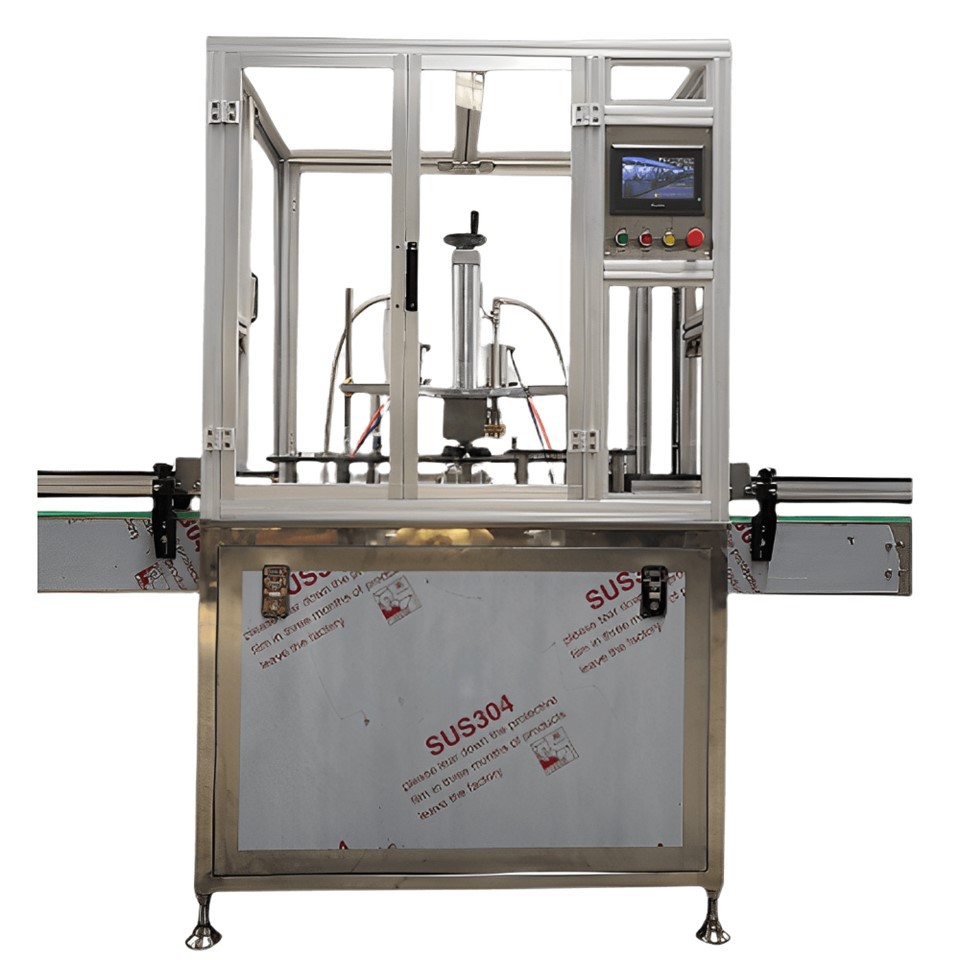
The Human - Machine Interface, or HMI, is the interface through which operators interact with the propellant filling machine. It typically consists of a touchscreen display that allows operators to monitor the machine's status, adjust settings, and troubleshoot problems. The HMI provides a user - friendly way to control the PLC and view important information such as filling volume, pressure, and production speed. Operators can easily change the filling parameters, start or stop the machine, and receive real - time feedback on the production process.
Safety Relays
Safety relays are an important part of the electrical system in a propellant filling machine. They are designed to ensure the safety of the operators and the machine. Safety relays monitor various safety functions, such as emergency stops, door interlocks, and over - current protection. If a safety condition is violated, the safety relay will immediately cut off the power to the relevant components, preventing any potential accidents.
Electrical Wiring and Control Panels
Electrical wiring is used to connect all the electrical components in the propellant filling machine. It ensures that the electrical signals are transmitted accurately between the PLC, sensors, valves, motors, and other components. The control panel is the central hub that houses the PLC, HMI, safety relays, and other control devices. It provides a convenient way to organize and manage the electrical system of the machine.
In conclusion, the electrical components in a propellant filling machine work together in a coordinated manner to ensure a precise, efficient, and safe filling process. Each component has its specific role, and any malfunction in one component can affect the overall performance of the machine.

If you are in the market for a high - quality propellant filling machine, or you are interested in Bag On Valve Aerosol Filling, BOV Aerosol Filling Machine, or Nasal Spray Capping Machine, please feel free to contact us. We are ready to discuss your specific requirements and provide you with the best solutions for your production needs.
References
- "Industrial Automation Handbook" by Peter Nachtwey
- "Aerosol Technology: Properties, Behavior, and Measurement of Airborne Particles" by William C. Hinds