

What are the effects of different filling pressures on aerosol performance?
As a leading supplier in the field of Pressure Filling Of Aerosols, I've witnessed firsthand how the choice of filling pressure can significantly impact aerosol performance. In this blog, I'll delve into the various effects that different filling pressures have on aerosol products, exploring aspects such as spray pattern, droplet size, and product stability.

Spray Pattern
The spray pattern of an aerosol is one of the most noticeable characteristics, and filling pressure plays a crucial role in determining its shape and coverage. At lower filling pressures, the aerosol tends to produce a wider and more diffuse spray pattern. This is because the propellant has less force to expel the product, resulting in a slower and more spread - out release. For example, in some air freshener aerosols filled at relatively low pressures, the mist can cover a larger area in a room, providing a more even distribution of the fragrance.
On the other hand, higher filling pressures generally lead to a more concentrated and directed spray pattern. The increased force of the propellant expels the product in a more focused manner. This is beneficial for applications where precision is required, such as in some automotive lubricant aerosols. The concentrated spray can be accurately targeted at specific parts of the engine, ensuring that the lubricant reaches the intended areas without excessive over - spray.
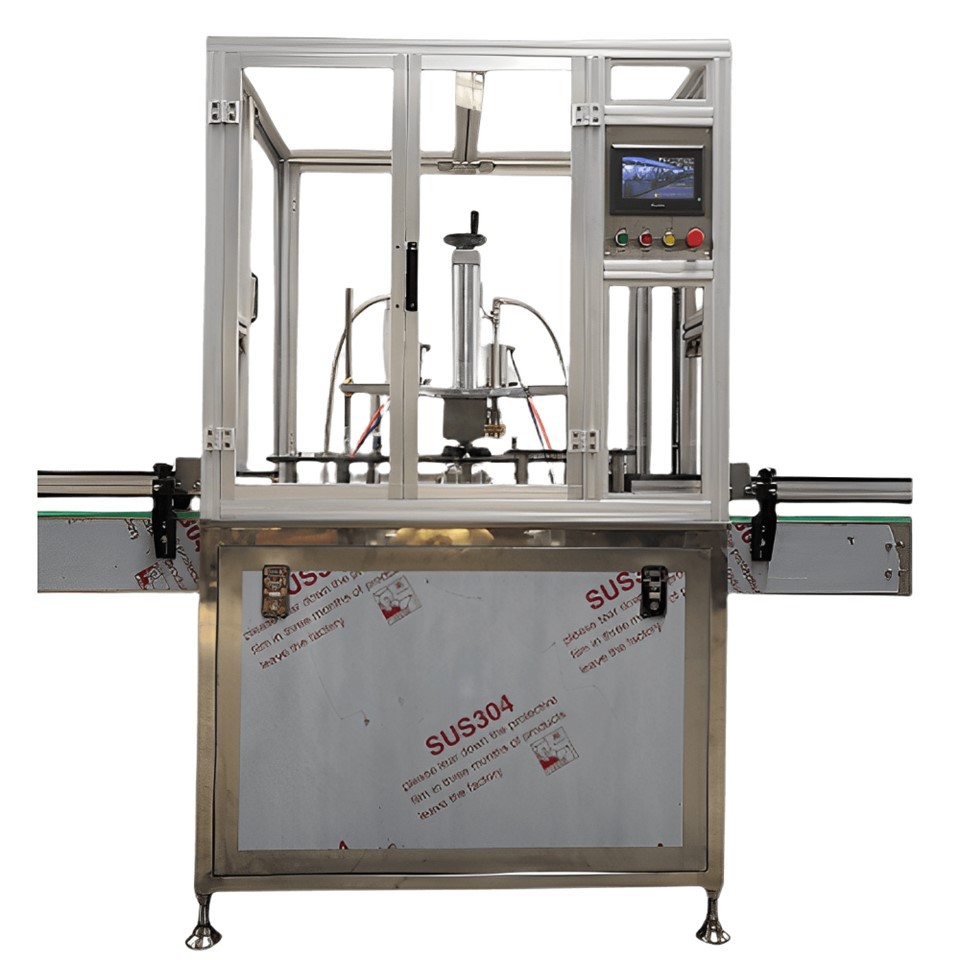
The Automatic Bag On Valve Filling Machine [/bag-on-valve-aerosol-filling-machine/automatic-bov-aerosol-filling-machines/automatic-bag-on-valve-filling-machine.html] can be adjusted to achieve different filling pressures, allowing manufacturers to customize the spray pattern according to the product requirements.
Droplet Size
Droplet size is another critical factor affected by filling pressure. Lower filling pressures typically result in larger droplet sizes. When the propellant force is weak, the product is not broken up into fine particles as effectively. In some paint aerosols filled at low pressures, the larger droplets may lead to a more textured finish on the surface being painted. This can be desirable in certain artistic or industrial applications where a unique look is required.
Conversely, higher filling pressures produce smaller droplet sizes. The greater force of the propellant shatters the product into finer particles. In medical inhalers, for instance, high - pressure filling is essential to generate extremely small droplets that can reach deep into the lungs. The BOV Nasal Spray Filling Machine [/bag-on-valve-aerosol-filling-machine/automatic-bov-aerosol-filling-machines/bov-nasal-spray-filling-machine.html] is designed to handle high - pressure filling, ensuring that nasal sprays can deliver the medication in the form of fine droplets for effective absorption.
The size of the droplets also affects the drying time of the aerosol product. Smaller droplets have a larger surface - area - to - volume ratio, which means they evaporate more quickly. This is important in products like hairsprays, where a fast - drying time is desired to set the hair style rapidly.
Product Stability
Filling pressure can have a significant impact on the stability of aerosol products. At low filling pressures, there may be a greater risk of phase separation within the aerosol can. The product and the propellant may not mix as thoroughly, leading to uneven distribution. This can result in inconsistent performance over the life of the product. For example, in some food aerosol products, such as whipped cream, phase separation can cause the cream to come out in an inconsistent texture, with some parts being too runny and others being too thick.
Higher filling pressures generally promote better mixing of the product and the propellant, enhancing product stability. The increased force helps to keep the components in a homogeneous state. However, extremely high pressures can also pose risks. They may cause the can to be under excessive stress, increasing the likelihood of damage or leakage. This is why it's crucial to find the optimal filling pressure for each specific aerosol product.
The Bag On Valve Aerosol Filling [/bag-on-valve-aerosol-filling-machine/automatic-bov-aerosol-filling-machines/bag-on-valve-aerosol-filling.html] technology offers a solution to improve product stability. The bag - on - valve system separates the product from the propellant, reducing the chances of interaction and phase separation, regardless of the filling pressure.
Environmental and Safety Considerations
Different filling pressures also have implications for environmental and safety aspects. Higher filling pressures may require stronger and more robust aerosol cans to withstand the internal pressure. This can increase the amount of material used in the can production, which has environmental implications. Additionally, in the event of a can rupture, high - pressure aerosols can pose a greater safety risk, as the product and propellant are expelled with more force.
On the other hand, lower filling pressures may be more environmentally friendly in terms of can material usage. However, they may also require more frequent refilling or larger can sizes to achieve the same product output, which can lead to increased waste in the long run.
Impact on Product Shelf - Life
The filling pressure can influence the shelf - life of aerosol products. Lower filling pressures may allow for more air to enter the can over time, which can cause oxidation of the product. This is particularly relevant for products such as cosmetics and food aerosols. Oxidation can lead to changes in color, odor, and performance, reducing the shelf - life of the product.
Higher filling pressures, when properly controlled, can create a more air - tight seal within the can, protecting the product from oxidation and extending its shelf - life. The Bag On Valve Aerosol Filling technology can further enhance this effect by providing an additional barrier between the product and the external environment.
Conclusion
In conclusion, different filling pressures have a wide range of effects on aerosol performance, including spray pattern, droplet size, product stability, environmental and safety aspects, and product shelf - life. As a Pressure Filling Of Aerosols supplier, we understand the importance of finding the optimal filling pressure for each product. Our advanced filling machines, such as the Automatic Bag On Valve Filling Machine, BOV Nasal Spray Filling Machine, and the Bag On Valve Aerosol Filling technology, are designed to offer flexibility and precision in achieving the desired filling pressures.
If you are in the process of developing or manufacturing aerosol products and are looking for reliable filling solutions, we invite you to contact us for a detailed discussion. Our team of experts is ready to assist you in choosing the right filling pressure and technology for your specific needs.
References
- Brown, A. (2018). Aerosol Technology: Properties, Behavior, and Measurement of Airborne Particles. Wiley.
- Smith, J. (2020). Handbook of Aerosol Science and Technology. CRC Press.
- Johnson, M. (2019). Advances in Aerosol Filling Technology. Journal of Aerosol Research, 15(2), 123 - 135.