

In the realm of industrial manufacturing, propellant filling machines play a crucial role in various sectors, including the production of aerosol products, pharmaceuticals, and food items. As a leading supplier of propellant filling machines, I have witnessed firsthand the significance of adjustment mechanisms in ensuring the efficiency, accuracy, and safety of the filling process. In this blog post, I will delve into the different adjustment mechanisms employed in propellant filling machines, their functions, and how they contribute to the overall performance of the equipment.
Pressure Adjustment
One of the most critical adjustment mechanisms in a propellant filling machine is pressure adjustment. The pressure at which the propellant is filled into the container directly affects the quality and consistency of the final product. Too much pressure can cause the container to burst, while too little pressure may result in an under - filled product.
Most modern propellant filling machines are equipped with pressure sensors and regulators. These sensors continuously monitor the pressure within the filling system and send signals to the regulator. The regulator then adjusts the flow of the propellant to maintain a stable pressure. For example, in a Bag On Valve Aerosol Filling process, precise pressure adjustment is essential to ensure that the bag inside the canister is properly inflated and the product is dispensed evenly.
The pressure adjustment mechanism can be fine - tuned according to the specific requirements of the product and the container. Different types of propellants may require different pressure settings, and the size and material of the container also play a role in determining the optimal pressure. By adjusting the pressure accurately, manufacturers can minimize product waste and ensure consistent quality across all batches.
Volume Adjustment
Volume adjustment is another vital aspect of propellant filling machines. The amount of propellant filled into each container must be precisely controlled to meet the product specifications. This is particularly important in industries where the dosage of the product is critical, such as the pharmaceutical and food industries.
There are several methods for volume adjustment in propellant filling machines. One common approach is the use of volumetric pumps. These pumps are designed to deliver a specific volume of propellant with each stroke. The volume can be adjusted by changing the stroke length of the pump or by modifying the pump's speed.
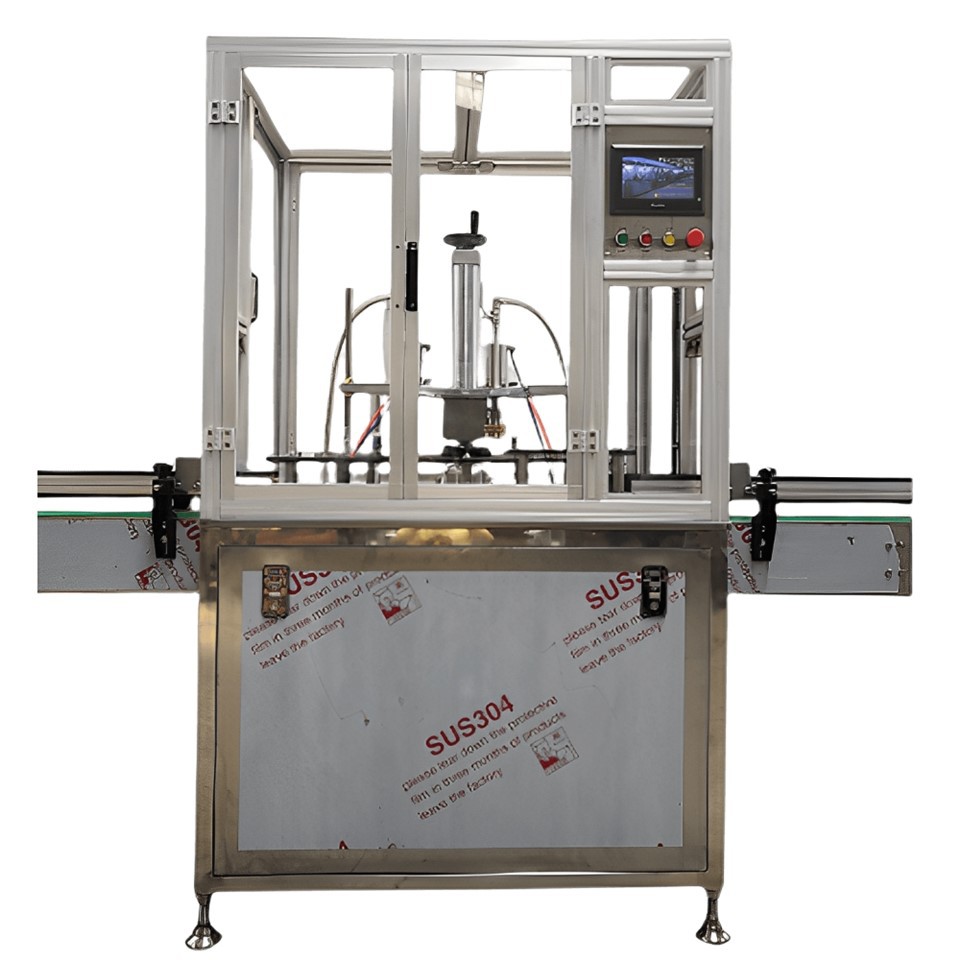

Another method is the use of flow meters. Flow meters measure the flow rate of the propellant and can be used in conjunction with a control system to adjust the filling time. By accurately measuring the flow rate and controlling the filling time, the machine can dispense the desired volume of propellant into each container.
In Bag On Valve Filling Equipment, volume adjustment is crucial to ensure that the bag is filled with the correct amount of propellant. This not only affects the performance of the product but also its shelf - life and safety.
Temperature Adjustment
Temperature can have a significant impact on the properties of the propellant and the filling process. Many propellants are sensitive to temperature changes, and variations in temperature can affect their density, viscosity, and vapor pressure.
To ensure accurate filling, propellant filling machines often incorporate temperature adjustment mechanisms. These mechanisms can heat or cool the propellant to maintain a constant temperature within the filling system. For example, in some systems, a heat exchanger is used to control the temperature of the propellant before it enters the filling nozzle.
Temperature adjustment is also important for the stability of the product. If the propellant is too hot, it may cause the container to expand or the product to degrade. On the other hand, if the propellant is too cold, it may not flow properly, leading to uneven filling. By maintaining a stable temperature, manufacturers can improve the quality and reliability of their products.
Speed Adjustment
The speed at which the propellant filling machine operates is another factor that can be adjusted. The filling speed depends on various factors, including the type of product, the size of the container, and the production volume requirements.
Modern propellant filling machines are designed with variable speed drives. These drives allow the operator to adjust the speed of the filling process according to the specific needs of the production line. For example, if a high - volume production is required, the machine can be set to operate at a faster speed. However, when filling more delicate products or using smaller containers, a slower speed may be necessary to ensure accurate filling.
In an Automatic Bag On Valve Filling Machine, speed adjustment is crucial to maintain the synchronization between different components of the machine, such as the bag insertion, valve crimping, and propellant filling processes.
Alignment and Positioning Adjustment
Proper alignment and positioning of the containers are essential for accurate filling. Propellant filling machines are equipped with adjustment mechanisms to ensure that the containers are correctly positioned under the filling nozzles.
These mechanisms can include conveyor belt guides, centering devices, and height adjustment systems. The conveyor belt guides ensure that the containers move in a straight line and are properly aligned with the filling stations. Centering devices are used to center the containers precisely under the filling nozzles, while height adjustment systems ensure that the nozzles are at the correct height relative to the containers.
In the case of bag - on - valve systems, alignment and positioning adjustment are even more critical. The bag must be properly inserted into the canister, and the valve must be crimped accurately. Any misalignment can lead to leaks, uneven filling, or product failure.
Safety Adjustment
Safety is of utmost importance in propellant filling operations. Propellants are often flammable, explosive, or toxic, so propellant filling machines are equipped with various safety adjustment mechanisms.
These mechanisms include pressure relief valves, over - fill protection devices, and emergency stop buttons. Pressure relief valves are designed to release excess pressure in the filling system to prevent explosions. Over - fill protection devices monitor the volume of propellant being filled and stop the filling process if the container is about to be over - filled. Emergency stop buttons allow the operator to quickly shut down the machine in case of an emergency.
In addition, many propellant filling machines are designed with safety interlocks. These interlocks prevent the machine from operating if certain safety conditions are not met, such as the absence of a container or a malfunctioning sensor.
Conclusion
In conclusion, the adjustment mechanisms in propellant filling machines are essential for ensuring the efficiency, accuracy, and safety of the filling process. Pressure, volume, temperature, speed, alignment, and safety adjustments all play a crucial role in producing high - quality products.
As a supplier of propellant filling machines, we understand the importance of these adjustment mechanisms and are committed to providing our customers with machines that are equipped with the latest and most advanced technologies. Our machines are designed to be highly customizable, allowing our customers to adjust the various parameters according to their specific production requirements.
If you are in the market for a propellant filling machine or are looking to upgrade your existing equipment, we invite you to contact us for a consultation. Our team of experts will be happy to discuss your needs and recommend the best solution for your business. Let us work together to improve your production efficiency and product quality.
References
- Smith, J. (2018). Advanced Propellant Filling Technologies. Industrial Manufacturing Journal, 25(3), 45 - 52.
- Johnson, A. (2019). Safety Considerations in Propellant Filling Operations. Safety in Industry Review, 12(2), 67 - 73.
- Brown, M. (2020). The Impact of Temperature on Propellant Filling Processes. Chemical Engineering Research, 32(4), 89 - 96.