

Hey there! As a supplier of Bag On Valve Aerosol Filling, I've seen firsthand how crucial it is to pick the right propellant for bag on valve aerosol filling. It's not just about making the product work; it's about ensuring it meets all the safety, performance, and environmental standards. So, let's dive into how you can select the appropriate propellant for your bag on valve aerosol filling needs.
Understanding the Basics of Bag On Valve Technology
First off, let's quickly go over what bag on valve technology is. In a bag on valve system, the product is stored in a flexible bag inside the aerosol can. The propellant is in the space between the can and the bag. When you press the valve, the propellant pushes on the bag, forcing the product out. This setup has a bunch of advantages, like keeping the product pure, allowing for better control of the spray, and reducing the risk of contamination.
Types of Propellants
There are several types of propellants you can use for bag on valve aerosol filling. Each has its own pros and cons, so it's important to know what you're working with.
Compressed Gases
Compressed gases like nitrogen, carbon dioxide, and compressed air are popular choices. They're non - flammable, which is a huge plus when it comes to safety. Nitrogen, for example, is inert, so it won't react with the product inside the bag. Carbon dioxide can dissolve in some products, which can affect the product's properties. Compressed air is readily available and cheap, but it can contain moisture, which might be a problem for some products.

Liquefied Petroleum Gases (LPG)
LPG, such as propane and butane, are also commonly used. They provide good pressure and are efficient at expelling the product from the bag. However, they're flammable, so you need to take extra precautions during production, storage, and transportation. LPG can also affect the product's odor, which might be an issue for products like perfumes or food aerosols.
Hydrofluorocarbons (HFCs) and Hydrofluoroolefins (HFOs)
These are synthetic propellants. HFCs were developed as a replacement for chlorofluorocarbons (CFCs) because CFCs were found to be harmful to the ozone layer. HFOs are even more environmentally friendly as they have a lower global warming potential. They're non - flammable and have good solubility in many products. But they can be more expensive than other propellants.
Factors to Consider When Selecting a Propellant
Now that you know the types of propellants, let's talk about the factors you should consider when making your choice.
Product Compatibility
The propellant you choose must be compatible with the product in the bag. Some propellants can react with the product, changing its chemical composition, color, or odor. For example, if you're filling a water - based product, a propellant that's soluble in water might be a good choice. But if you're dealing with a sensitive cosmetic product, you'll want a propellant that won't affect its stability or performance.
Safety
Safety is a top priority. As I mentioned earlier, flammable propellants like LPG require special handling. You need to have proper safety measures in place during manufacturing, storage, and shipping. Non - flammable propellants like compressed gases are generally safer, but you still need to follow safety protocols for handling compressed containers.
Performance
The propellant should be able to provide the right pressure to expel the product from the bag effectively. You need to consider the spray pattern, droplet size, and the amount of product that comes out with each spray. For example, if you're making a hairspray, you'll want a propellant that gives a fine, even spray. If it's a whipped cream aerosol, you'll need a propellant that can create a thick, stable foam.
Environmental Impact
In today's world, environmental concerns are important. You want to choose a propellant that has a low impact on the environment. HFOs are a great option in this regard as they have a low global warming potential. Compressed gases like nitrogen and carbon dioxide are also relatively environmentally friendly.
Cost
Cost is always a factor. Some propellants, like HFCs and HFOs, can be more expensive than others. You need to balance the cost with the other factors like performance and safety. Sometimes, a slightly more expensive propellant can save you money in the long run by reducing product waste and ensuring better quality.
Testing the Propellant
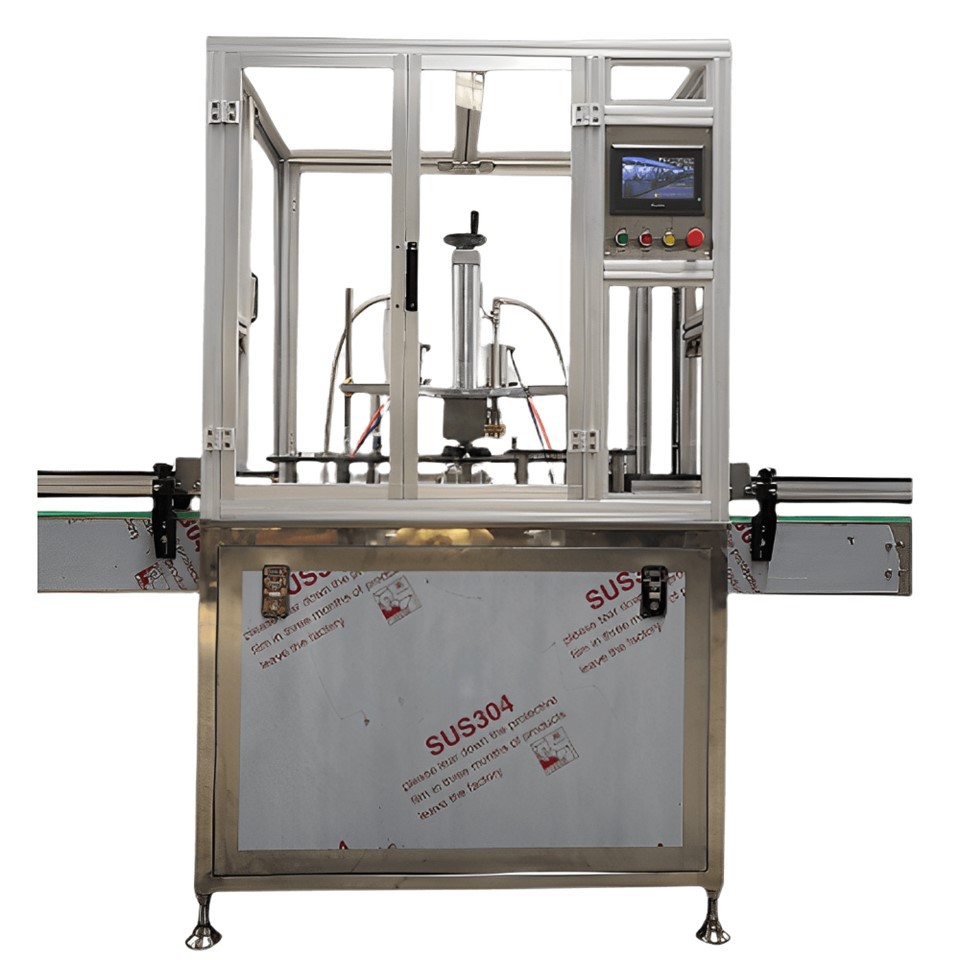
Once you've narrowed down your choices, it's important to test the propellant with your product. You can use a Bag On Valve Filling Machine to fill some sample cans. Check the spray performance, the stability of the product over time, and any changes in the product's properties. You can also test for safety, like checking for leaks or flammability issues.
Working with an Automatic Bag On Valve Filling Machine
If you're planning to scale up your production, an Automatic Bag On Valve Filling Machine is a great investment. These machines can handle the filling process more efficiently and accurately. They can also help you control the amount of propellant and product in each can, ensuring consistent quality.
Conclusion
Selecting the appropriate propellant for bag on valve aerosol filling is a complex process. You need to consider factors like product compatibility, safety, performance, environmental impact, and cost. By understanding the different types of propellants and testing them with your product, you can make an informed decision. And if you're looking for a reliable partner in the bag on valve aerosol filling process, we're here to help. Whether you need advice on propellant selection or are interested in our filling machines, we're ready to have a chat and work together to make your aerosol products a success. So, don't hesitate to reach out if you're looking to start or improve your bag on valve aerosol filling operation.
References
- "Aerosol Technology: Properties, Behavior, and Measurement of Airborne Particles" by William C. Hinds
- "Handbook of Aerosol Technology" edited by Peter C. Reist