

Hey there! If you're dealing with aerosol cans, you might be wondering how to install an aerosol pressure gauge on them. Well, you've come to the right place. I'm with a top - notch Aerosol Pressure Gauge supplier, and I'm here to walk you through the process step by step.
Why You Need an Aerosol Pressure Gauge
First off, let's talk about why having an aerosol pressure gauge is so important. Aerosol cans work based on pressure. The correct pressure is crucial for the proper functioning of the product inside the can. Whether it's a spray paint, a deodorant, or a multi - purpose lubricant, incorrect pressure can lead to poor performance. For example, if the pressure is too low, the spray might be weak and uneven. On the other hand, if the pressure is too high, it can be dangerous and cause the can to malfunction or even explode. So, an accurate pressure gauge helps you monitor and control this critical factor.

Tools You'll Need
Before we start the installation process, let's gather the necessary tools. You'll need a wrench, preferably an adjustable one, some sealing tape (like Teflon tape), and of course, the aerosol pressure gauge. Make sure the wrench fits the connection points on the can and the gauge. The sealing tape is essential to prevent any leaks.
Step 1: Safety First
Before you do anything, safety should be your number one priority. Wear safety goggles and gloves to protect your eyes and hands. Aerosol cans can be under high pressure, and any mishap can cause injury. Make sure you're working in a well - ventilated area, away from open flames or heat sources, as some aerosol contents can be flammable.
Step 2: Prepare the Aerosol Can
Inspect the aerosol can for any damage or dents. A damaged can might not be suitable for gauge installation and could pose a safety risk. Next, find the valve on the can. This is where the pressure gauge will be attached. Clean the valve area thoroughly to remove any dirt, dust, or debris. You can use a clean cloth or a mild cleaning solution. A clean valve ensures a good seal between the can and the gauge.
Step 3: Wrap the Gauge Threads with Teflon Tape
Take the Teflon tape and wrap it around the threads of the aerosol pressure gauge. Make sure to wrap it in a clockwise direction. This will create a tight seal when the gauge is screwed onto the can, preventing any gas or liquid from leaking out. Don't wrap the tape too thickly; just a few layers should do the trick.
Step 4: Attach the Pressure Gauge
Now, it's time to attach the pressure gauge to the valve of the aerosol can. Hold the can firmly and align the gauge threads with the valve threads. Start turning the gauge clockwise by hand. Once it's hand - tight, use the wrench to give it a little extra tightening. Be careful not to overtighten, as this can damage the valve or the gauge.
Step 5: Check for Leaks
After attaching the gauge, it's important to check for any leaks. You can do this by applying a small amount of soapy water around the connection point. If you see bubbles forming, there's a leak. In this case, turn off the pressure source (if possible) and use the wrench to tighten the gauge a bit more. Re - check for leaks until there are no more bubbles.
Step 6: Read the Pressure
Once you're sure there are no leaks, you can start reading the pressure on the gauge. Make sure your eyes are level with the gauge face to get an accurate reading. Different types of aerosol products have different optimal pressure ranges. You can refer to the product specifications or industry standards to determine if the pressure is within the acceptable range.
Benefit of Working with Our Aerosol Pressure Gauge
As an Aerosol Pressure Gauge supplier, we offer high - quality gauges that are accurate, reliable, and durable. Our gauges are designed to meet the strictest industry standards, ensuring that you get the most precise pressure readings. We also provide excellent customer support. If you have any questions during the installation process or regarding the use of the gauge, our team of experts is just a call away.
Related Products
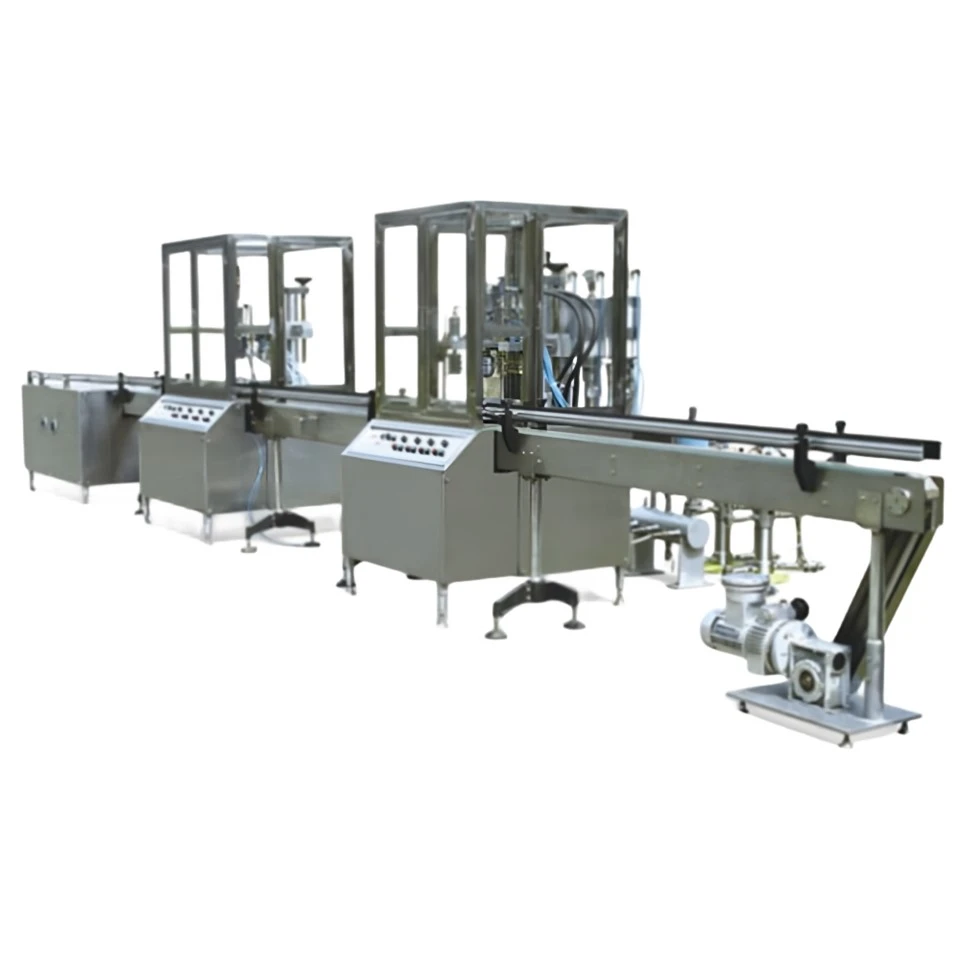
If you're in the aerosol manufacturing business, you might also be interested in our other related products. Check out our Pharmaceutical Spray Production Line, which is designed to fill pharmaceutical sprays with high precision and efficiency. We also have an Aerosol Filling Line that can handle a large volume of aerosol can filling at a high speed. And for those producing insecticides, our Aerosol Insecticide Filling Machine is a great choice.
Let's Connect
If you're looking to purchase aerosol pressure gauges or any of our other products, we're here to help. Our team is eager to discuss your specific needs and provide you with the best solutions. You can reach out to us to start a conversation about how we can assist you in your aerosol production process. Whether you're a small - scale manufacturer or a large - scale industry player, we've got the products and expertise to meet your requirements.
References
- Aerosol Packaging Manual. Elsevier Science Publishing.
- Pressure Gauge Handbook. Instrumentation Industries Press.