

As a supplier of Pressure Filling Of Aerosols, I've seen firsthand the importance of ensuring the stability of the pressure filling process. It's not just about getting the product into the can; it's about making sure it comes out right every time. In this blog, I'll share some tips on how to keep that pressure filling stable and reliable.
Understanding the Basics of Aerosol Pressure Filling
Before we dive into the details, let's quickly go over how aerosol pressure filling works. Essentially, you're taking a product (like a spray cleaner, deodorant, or paint) and forcing it into a can under pressure. This pressure is what allows the product to be dispensed as a fine mist or spray when the valve is opened.
The key to stable pressure filling lies in controlling three main factors: the pressure of the filling system, the temperature of the product and the can, and the quality of the valve. If any of these factors are off, it can lead to inconsistent filling, leaks, or even product failure.
Controlling the Pressure of the Filling System
The pressure of the filling system is crucial for stable aerosol filling. If the pressure is too low, the product may not fill the can properly, resulting in underfilled cans. On the other hand, if the pressure is too high, it can cause overfilling, which can lead to leaks or even explosions.
To control the pressure, you need a reliable pressure gauge and a well-maintained filling system. Regularly check the pressure gauge to make sure it's accurate, and calibrate it if necessary. Also, make sure the filling system is clean and free of any blockages that could affect the pressure.
Another important aspect of pressure control is the use of a pressure regulator. A pressure regulator helps to maintain a consistent pressure throughout the filling process, even if there are fluctuations in the supply pressure. This ensures that each can is filled with the same amount of product, resulting in consistent quality.
Managing the Temperature of the Product and the Can
Temperature plays a significant role in aerosol pressure filling. As the temperature increases, the pressure inside the can also increases. This can cause the product to expand and potentially lead to overfilling or leaks. Conversely, if the temperature is too low, the product may become too viscous, making it difficult to fill the can properly.
To manage the temperature, it's important to store the product and the cans in a controlled environment. Keep the storage area at a consistent temperature, and avoid exposing the cans to extreme heat or cold. During the filling process, monitor the temperature of the product and the can, and make adjustments as needed.
Some filling systems are equipped with temperature control features, such as heating or cooling elements. These can help to maintain the optimal temperature for filling, ensuring stable and consistent results.
Ensuring the Quality of the Valve
The valve is the heart of the aerosol can. It controls the flow of the product and ensures that it is dispensed properly. A faulty valve can lead to leaks, inconsistent spraying, or even complete product failure.
When selecting valves for your aerosol products, choose high-quality valves from a reputable supplier. Look for valves that are designed for the specific type of product you're filling and that have been tested for reliability and performance.
Before using the valves, inspect them carefully for any defects or damage. Make sure the valve seats are clean and free of debris, and that the valve stems are properly aligned. During the filling process, monitor the valve performance to ensure that it is functioning correctly.
Using Advanced Filling Equipment
Investing in advanced filling equipment can also help to ensure the stability of pressure filling. Modern filling machines are equipped with advanced sensors and controls that can monitor and adjust the filling process in real-time.

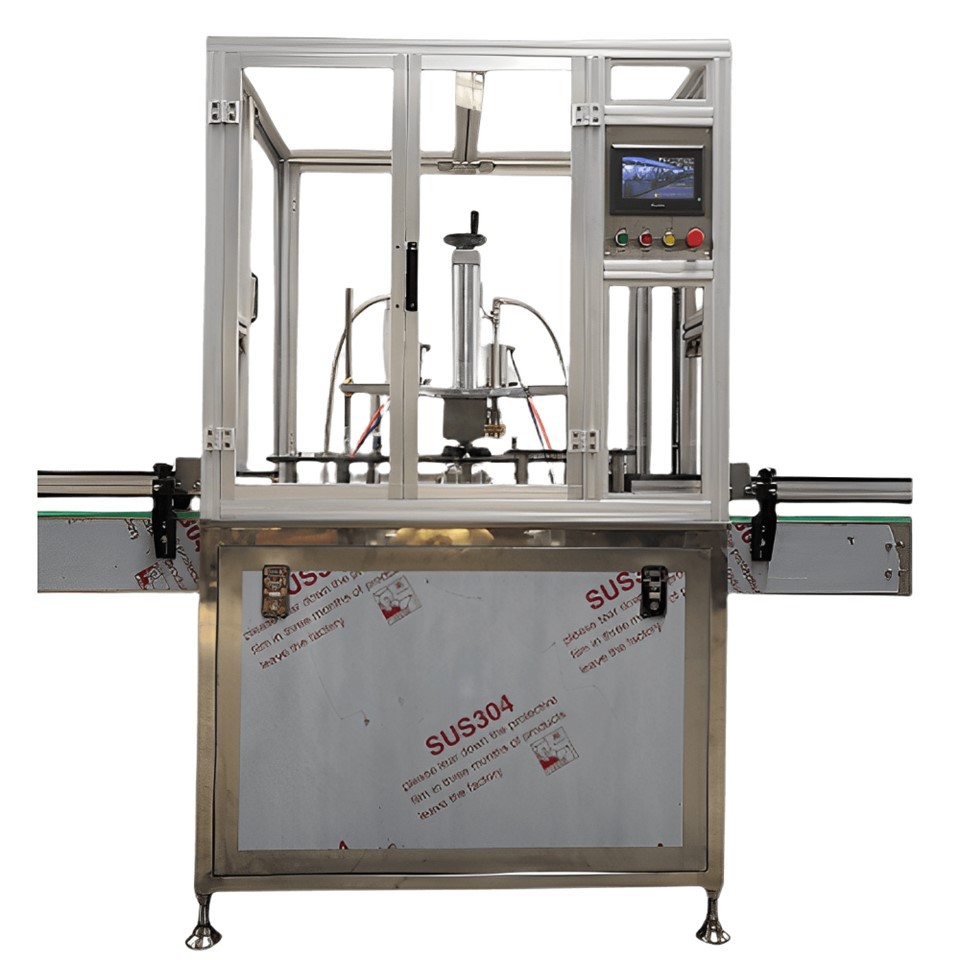
For example, some filling machines can automatically detect the level of the product in the can and adjust the filling time and pressure accordingly. This helps to ensure that each can is filled to the correct level, regardless of any variations in the product or the can.
Another advantage of advanced filling equipment is its ability to handle different types of products and cans. Whether you're filling small aerosol cans or large industrial containers, a versatile filling machine can adapt to your needs and provide consistent results.
If you're looking for high-quality filling equipment, check out our Bag On Valve Filling Equipment. It's designed to provide stable and efficient pressure filling for a wide range of aerosol products.
Regular Maintenance and Quality Control
Regular maintenance and quality control are essential for ensuring the stability of pressure filling. Schedule regular maintenance checks for your filling equipment, including cleaning, lubrication, and replacement of worn parts. This helps to keep the equipment in good working condition and prevents breakdowns and malfunctions.
In addition to maintenance, implement a comprehensive quality control program. This should include regular inspections of the filled cans, as well as testing of the product for consistency and performance. Check for leaks, proper filling levels, and accurate spraying patterns. If any issues are detected, take immediate action to correct them.
Training and Education
Finally, don't underestimate the importance of training and education. Make sure your employees are properly trained on how to operate the filling equipment and follow the correct procedures. Provide them with regular updates on new technologies and best practices in aerosol pressure filling.
Well-trained employees are more likely to identify and address potential issues before they become major problems. They can also contribute to a culture of quality and safety in the workplace.
Conclusion
Ensuring the stability of pressure filling of aerosols is a complex process that requires careful attention to detail. By controlling the pressure of the filling system, managing the temperature of the product and the can, ensuring the quality of the valve, using advanced filling equipment, performing regular maintenance and quality control, and providing proper training and education, you can achieve stable and consistent pressure filling results.
If you're interested in learning more about Pressure Filling Of Aerosols or Bag On Valve Aerosol Filling, or if you're looking for a reliable supplier of aerosol filling equipment and services, don't hesitate to contact us. We're here to help you take your aerosol products to the next level.
References
- Aerosol Association. (n.d.). Aerosol Filling Best Practices.
- Smith, J. (2020). The Science of Aerosol Pressure Filling. Journal of Aerosol Technology.
- Brown, A. (2019). Temperature and Pressure Effects in Aerosol Filling. International Journal of Aerosol Science.