

In the modern industrial landscape, the demand for advanced manufacturing technologies and automation solutions is on the rise. As a leading supplier of propellant filling machines, we are constantly exploring innovative ways to enhance the efficiency, safety, and functionality of our equipment. One of the questions that often arises in discussions with our clients is whether a propellant filling machine can be remotely controlled. In this blog post, we will delve into this topic, exploring the possibilities, benefits, and challenges of remotely controlling propellant filling machines.
The Concept of Remote Control in Propellant Filling Machines
Remote control technology has revolutionized various industries, allowing operators to monitor and control equipment from a distance. In the context of propellant filling machines, remote control refers to the ability to operate the machine, adjust settings, and monitor its performance without being physically present at the machine's location. This can be achieved through a combination of hardware and software solutions, such as wireless communication modules, sensors, and control interfaces.
Possibilities of Remote Control
Monitoring and Data Collection
One of the primary advantages of remote control is the ability to monitor the propellant filling machine's performance in real-time. Through sensors installed on the machine, operators can collect data on various parameters, such as filling volume, pressure, temperature, and production speed. This data can be transmitted wirelessly to a central control system, where it can be analyzed and used to optimize the machine's operation. For example, if the filling volume is deviating from the set value, the operator can adjust the machine's settings remotely to correct the issue.

Adjusting Machine Settings
Remote control also allows operators to adjust the machine's settings without having to be physically present at the machine. This can be particularly useful in situations where the machine is located in a hazardous or hard-to-reach area. For instance, if the propellant filling machine is used in a cleanroom environment, operators can adjust the settings from a control room outside the cleanroom, minimizing the risk of contamination. Additionally, remote adjustment of settings can save time and improve efficiency, as operators can make changes quickly without having to travel to the machine.
Troubleshooting and Maintenance
In the event of a machine malfunction or breakdown, remote control can facilitate troubleshooting and maintenance. Operators can remotely access the machine's diagnostic system to identify the problem and determine the appropriate course of action. They can also remotely perform basic maintenance tasks, such as resetting the machine or running diagnostic tests. This can reduce downtime and minimize the need for on-site maintenance visits, resulting in cost savings for the user.
Benefits of Remote Control
Improved Safety
Safety is a top priority in the operation of propellant filling machines, as propellants are often flammable or toxic substances. Remote control technology can enhance safety by allowing operators to monitor and control the machine from a safe distance. This reduces the risk of exposure to hazardous materials and minimizes the potential for accidents. For example, in the event of a leak or other safety issue, operators can quickly shut down the machine remotely without having to enter the hazardous area.
Increased Efficiency
Remote control can significantly improve the efficiency of propellant filling operations. By allowing operators to monitor and adjust the machine's settings in real-time, remote control can optimize the filling process, reducing waste and improving product quality. Additionally, remote control can enable operators to manage multiple machines simultaneously, increasing productivity and throughput. For example, an operator can monitor and control several propellant filling machines from a single control room, reducing the need for multiple operators at each machine.
Cost Savings
Implementing remote control technology in propellant filling machines can result in significant cost savings. By reducing the need for on-site operators and maintenance personnel, remote control can lower labor costs. Additionally, remote monitoring and troubleshooting can help prevent machine breakdowns and reduce downtime, resulting in increased production and revenue. Furthermore, remote control can enable predictive maintenance, where potential problems are identified and addressed before they cause a breakdown, reducing the cost of repairs and replacement parts.

Challenges of Remote Control
Connectivity and Communication
One of the main challenges of remote control is ensuring reliable connectivity and communication between the machine and the control system. Propellant filling machines are often located in industrial environments, where there may be interference from other equipment or electromagnetic fields. Additionally, the distance between the machine and the control system can also affect the quality of the communication. To overcome these challenges, it is essential to use robust wireless communication technologies and ensure proper installation and configuration of the communication equipment.
Security
Another challenge of remote control is ensuring the security of the communication and control system. Since the machine is connected to the internet or a local network, there is a risk of unauthorized access or cyber-attacks. To protect against these threats, it is important to implement strong security measures, such as encryption, authentication, and access control. Additionally, regular security audits and updates should be performed to ensure the system remains secure.
Technical Complexity
Implementing remote control technology in propellant filling machines requires a certain level of technical expertise. The machine needs to be equipped with the appropriate sensors, communication modules, and control interfaces, and the control system needs to be configured and programmed to communicate with the machine. Additionally, operators need to be trained on how to use the remote control system effectively. To address these challenges, it is important to work with a reputable supplier who has experience in implementing remote control solutions in industrial equipment.
Our Solutions as a Propellant Filling Machine Supplier
As a leading supplier of propellant filling machines, we understand the importance of remote control technology in modern manufacturing. We offer a range of propellant filling machines that are equipped with advanced remote control capabilities. Our machines are designed to be easy to integrate with existing control systems and can be customized to meet the specific needs of our clients.
Advanced Sensor Technology
Our propellant filling machines are equipped with advanced sensors that can monitor various parameters, such as filling volume, pressure, temperature, and production speed. These sensors provide real-time data that can be transmitted wirelessly to a central control system, allowing operators to monitor and control the machine remotely.
Wireless Communication Modules
We use robust wireless communication modules in our machines to ensure reliable connectivity and communication between the machine and the control system. These modules are designed to operate in industrial environments and can withstand interference from other equipment and electromagnetic fields.
User-Friendly Control Interfaces
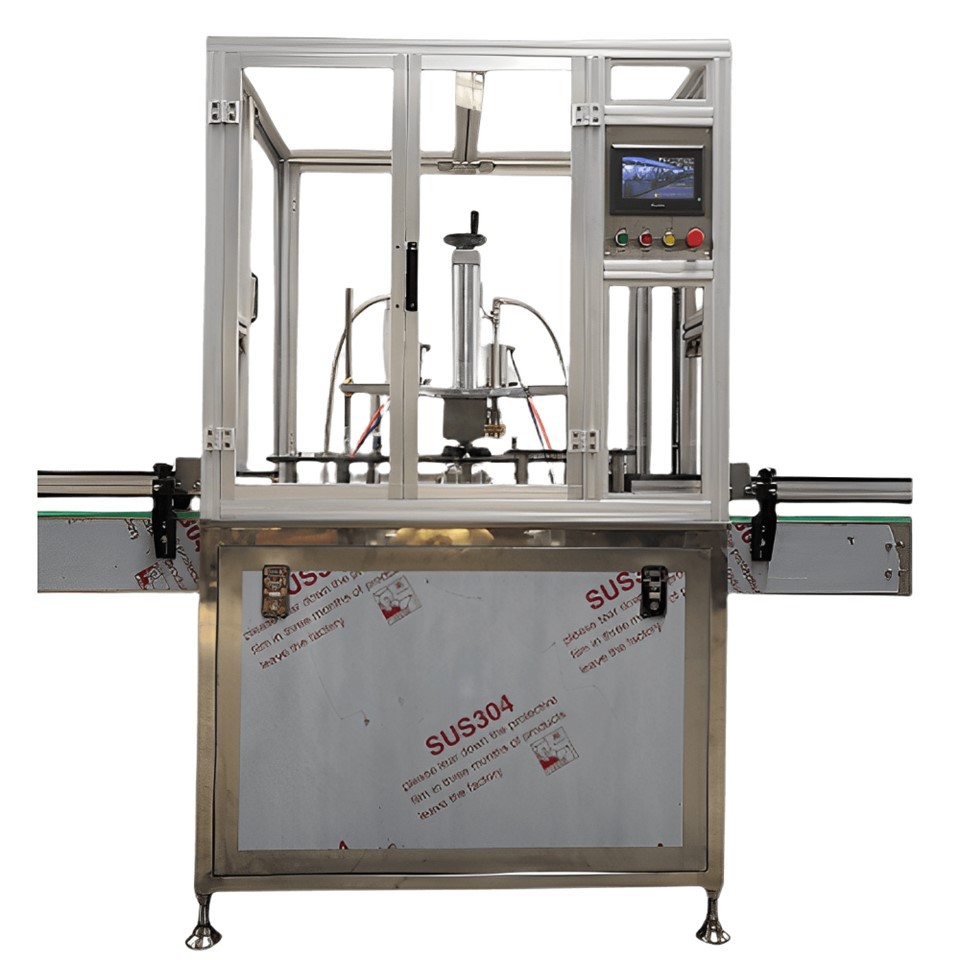
Our remote control systems feature user-friendly interfaces that are easy to use and navigate. Operators can access the machine's settings, monitor its performance, and receive alerts and notifications from a single control panel. Additionally, our control interfaces can be customized to meet the specific needs of our clients.
Comprehensive Support and Training
We provide comprehensive support and training to our clients to ensure they can use our remote control systems effectively. Our technical support team is available 24/7 to assist with any issues or questions that may arise. Additionally, we offer training programs to help operators learn how to use the remote control system and optimize the performance of our machines.
Conclusion
In conclusion, remote control technology offers significant benefits for propellant filling machines, including improved safety, increased efficiency, and cost savings. While there are some challenges associated with implementing remote control, these can be overcome with the right technology and expertise. As a leading supplier of propellant filling machines, we are committed to providing our clients with advanced remote control solutions that meet their specific needs. If you are interested in learning more about our propellant filling machines or our remote control capabilities, please contact us to discuss your requirements and explore the possibilities of working together. We look forward to the opportunity to assist you in enhancing your propellant filling operations.
References
- "Industrial Automation: Remote Control and Monitoring Systems." Industrial Technology Research Institute.
- "Safety Considerations in Remote Control of Industrial Equipment." Occupational Safety and Health Administration.
- "Advancements in Wireless Communication for Industrial Applications." IEEE Transactions on Industrial Electronics.